

Rodent‑Related Diseases Found in Home Air Ducts in Virginia Beach, Chesapeake & Across Hampton Roads
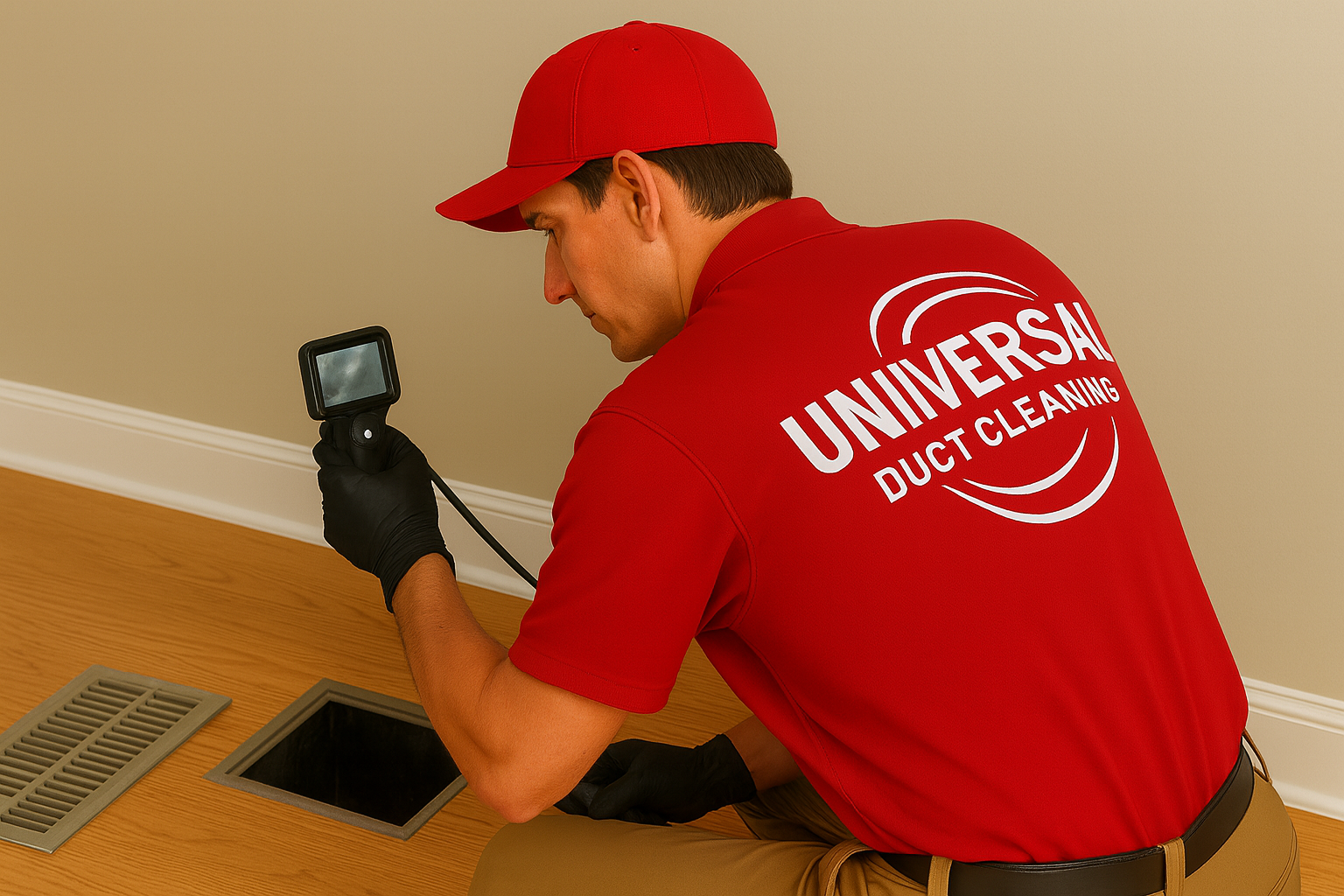
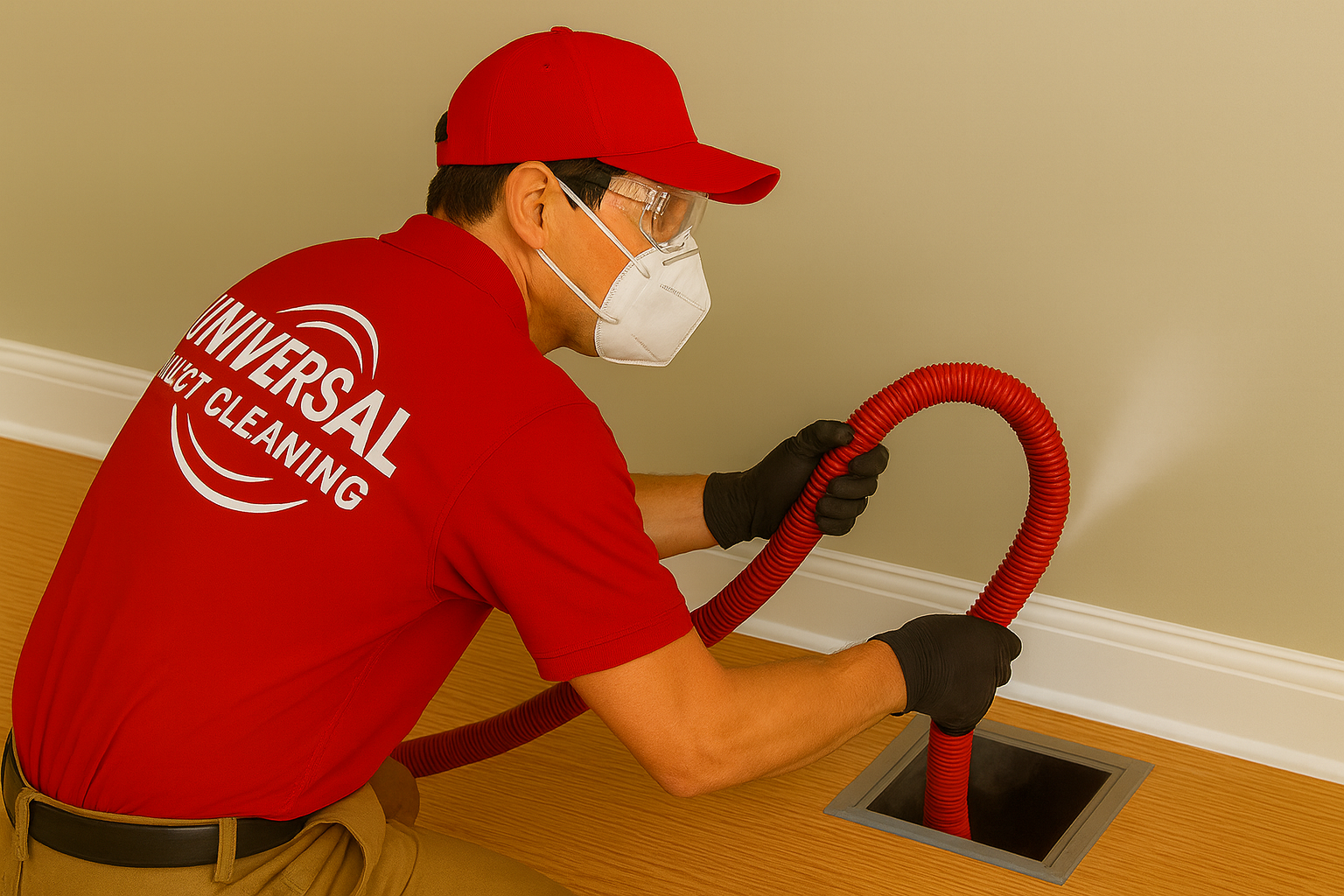
Indoor air quality in your home matters. Make sure a simple rodent infestation isn't the cause for health related illness.
Indoor air quality in your home matters. Allow a professional to inspect your homes air ducts for a possible rodent infestation.”
VIRGINIA BEACH, VA, UNITED STATES, December 11, 2025 /EINPresswire.com/ -- Rodent‑Related Diseases Found in Home Air Ducts in Virginia Beach, Chesapeake & Across Hampton Roads — Health Officials Urge Awareness and Air Quality Solutions— Tanner Baine
Local health and environmental safety officials are raising concerns about rodent activity in residential air ducts across Virginia Beach, Chesapeake, Norfolk, Suffolk, and the greater Hampton Roads region. Rodent infestations, especially when rodents or their droppings and urine enter air duct systems, can contribute to poor indoor air quality and potential disease risks for homeowners.
Rodent droppings, urine, saliva and fur can accumulate in HVAC systems, and over time these contaminants can break down into tiny particles that circulate throughout homes when heating or cooling systems run. Breathing in these particles — especially from infested or poorly maintained air ducts — can pose health concerns for residents, particularly those with allergies, asthma or compromised immune systems.
Diseases & Health Concerns Linked to Rodents
Rodents are known carriers of several pathogens that can lead to human illness. Although many severe diseases are rare in urban and suburban settings, exposure to rodent contamination is still a serious public health concern:
• Hantavirus Pulmonary Syndrome (HPS)
A severe respiratory illness caused by hantaviruses that rodents shed through urine, droppings, and saliva. Infection can occur when aerosolized particles are inhaled — such as those stirred up from dirty air ducts. HPS symptoms often begin like the flu and can progress to life‑threatening respiratory distress.
• Leptospirosis
This bacterial infection is spread through contact with contaminated urine, water or soil. In humans, it can cause fever, headache, bleeding from the lungs, kidney damage and other serious complications without proper treatment.
• Salmonellosis and Other Bacterial Illnesses
Rodent feces can contaminate surfaces and food, leading to symptoms such as diarrhea, vomiting and other gastrointestinal distress if bacteria like Salmonella are ingested.
• Lymphocytic Choriomeningitis Virus (LCMV)
A virus carried by mice that may lead to flu‑like symptoms and, in rare cases, neurological issues. Exposure typically occurs through contact with contaminated droppings or urine, or by inhaling dust containing viral particles.
• Allergens & Respiratory Irritants
Rodent fur, dander and waste can act as allergens, triggering asthma attacks, coughing, wheezing and other respiratory symptoms — especially in sensitive individuals.
Air Duct Contamination & Indoor Air Quality
Air ducts can become conduits for airborne contaminants from rodent activity, distributing allergens, waste particles, and odors throughout a home’s living spaces. Once rodent waste has entered ductwork, routine vacuuming is not enough to resolve the problem, as contaminants may have adhered to duct surfaces and insulation.
Improving Air Quality with Professional Duct Cleaning & Sanitization
Health and safety experts recommend a comprehensive HVAC system cleaning that includes not only debris removal but also sanitization and deodorization treatments. Professional duct cleaning and sanitizing can:
Remove rodent droppings, fur, and contaminants from duct surfaces
Reduce airborne allergens and improve overall indoor air quality
Eliminate odors associated with rodent activity
Reduce the potential for disease‑causing particles to circulate in your home
Certified air duct cleaning services in the Hampton Roads area specialize in sanitizing HVAC systems after pest infestations or other contamination events, ensuring homes remain healthy environments for families.
What Homeowners Can Do Now
• Inspect HVAC registers and ducts for signs of rodent droppings or gnaw marks.
• Seal gaps and entry points around walls, foundations, vents and utility lines to reduce rodent intrusion.
• Schedule professional air duct cleaning with sanitization if you suspect rodent contamination.
• Consult pest control professionals to address active infestations.
For more information on safeguarding your home’s air quality and protecting your loved ones from rodent‑related health risks, contact your local HVAC and pest control professionals.
George Pilkington
Universal Pest & Termite, Inc.
email us here
Visit us on social media:
Instagram
Facebook
Legal Disclaimer:
EIN Presswire provides this news content "as is" without warranty of any kind. We do not accept any responsibility or liability for the accuracy, content, images, videos, licenses, completeness, legality, or reliability of the information contained in this article. If you have any complaints or copyright issues related to this article, kindly contact the author above.
