

Education Expert Kim Dunbar of Columbia, SC, Shares How to Stay Motivated in a Self-Paced Learning Environment for HelloNation
COLUMBIA, S.C., Jan. 21, 2026 (GLOBE NEWSWIRE) -- How do students stay motivated online when there is no fixed schedule or classroom bell to guide them? A HelloNation article featuring Education Expert Kim Dunbar of SC Whitmore School in Columbia explores how motivation and structure play a vital role in successful self-paced learning. The article explains that while flexibility gives students control over their education, it also demands strong habits, consistent effort, and purposeful goal-setting.
According to the HelloNation article, self-paced learning can be best understood as a system that allows students to move through coursework at their own rhythm. This freedom is one of its greatest advantages, but it can also make staying focused more difficult. Without a fixed schedule, students must learn to create their own structure. Establishing a routine helps keep study time consistent, regardless of whether lessons take place early in the morning or later in the evening. The key is predictability. A daily rhythm reduces procrastination and keeps progress steady.
The article emphasizes that motivation often starts with goals. Setting both short-term and long-term targets provides direction and turns general plans into measurable achievements. A short-term goal might be completing a math unit by Friday, while a long-term goal could be finishing a semester early. These objectives help students see progress and maintain a sense of purpose. Teachers at accredited online schools guide students through this process, offering feedback and helping them adjust goals as needed.
Consistency, Kim Dunbar explains, is what keeps motivation alive in a self-paced learning environment. Students who maintain a regular pace gain confidence as they see tangible results from their effort. Improved test scores, finished assignments, and completed lessons all reinforce a positive cycle of progress. Over time, steady work builds resilience and makes learning more rewarding. Consistency also helps students stay on track without needing constant reminders from teachers or parents.
Another major factor in motivation is communication. The HelloNation feature highlights how online schools create spaces for collaboration and connection. Students can reach teachers through email, chat, or video sessions to ask questions or get feedback. Many schools encourage group projects and virtual study sessions to foster teamwork. This sense of connection helps students stay accountable and reduces feelings of isolation that can lead to procrastination. Regular interaction builds community and keeps learners focused on shared goals.
The physical environment also shapes motivation. Creating a dedicated, organized study space can improve concentration and productivity. A quiet area free from distractions allows students to focus more effectively. Some students use digital planners or timers to manage study periods, while others track progress in journals or checklists. The article explains that these small organizational habits make learning more structured and satisfying, turning daily study sessions into achievable steps toward success.
Family involvement can also play a positive role. Parents or guardians who check in regularly without overstepping can help maintain motivation. Asking simple questions such as “What’s your goal for today?” or “How did you feel about that lesson?” encourages reflection and accountability. Celebrating milestones like finishing a project or improving a grade reinforces progress and helps students feel supported. Balance is essential; encouragement should empower students to take ownership rather than rely too heavily on others.
When motivation dips, the HelloNation article suggests finding the cause and taking action quickly. Some students lose focus because lessons feel repetitive, while others are distracted by outside responsibilities. Teachers and counselors can help identify solutions, such as adjusting pacing or introducing enrichment activities that reconnect learning with personal interests. The flexibility of online education makes it possible to adapt without losing progress.
Relevance is another powerful motivator. Connecting schoolwork to personal goals or hobbies can reignite interest. A student interested in technology might link a history lesson to modern innovation, while a creative learner could approach a project through art or design. When subjects feel meaningful, motivation increases naturally. The self-paced structure allows time for this kind of exploration, helping students see how their studies relate to real-world applications.
Over time, students in self-paced programs develop valuable habits that extend far beyond academics. They learn time management, self-discipline, and accountability. These skills are essential for higher education and future careers. Students who master how to manage their own time and complete goals independently often transition more smoothly into college environments that require the same skills. The ability to self-direct learning becomes one of the most lasting outcomes of virtual education.
Education Expert Kim Dunbar reminds readers that persistence matters more than perfection. In a self-paced setting, progress is built one day at a time. Even small steps forward count. Each completed lesson or goal contributes to confidence, which in turn drives further effort. The process of showing up daily, maintaining focus, and adjusting strategies when challenges arise teaches students to be self-reliant and resilient.
Ultimately, the HelloNation feature shows that staying motivated in a self-paced learning environment depends on structure, connection, and mindset. Students who understand how to manage time, set goals, and seek help when needed find that flexibility becomes an advantage rather than an obstacle. Self-paced education teaches not only academics but also persistence, responsibility, and independence. Those qualities prepare students for success well beyond high school.
“How to Stay Motivated in a Self-Paced Learning Environment” features insights from Kim Dunbar, Education Expert in Columbia, South Carolina, for HelloNation.
About HelloNation
HelloNation is a premier media platform that connects readers with trusted professionals and businesses across various industries. Through its innovative “edvertising” approach that blends educational content and storytelling, HelloNation delivers expert-driven articles that inform, inspire, and empower. Covering topics from home improvement and health to business strategy and lifestyle, HelloNation highlights leaders making a meaningful impact in their communities.
Patrick McCabe
info@hellonation.com
www.hellonation.com
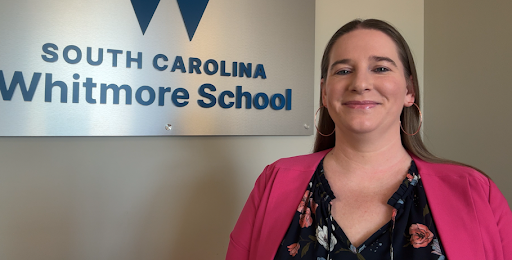
A photo accompanying this announcement is available at https://www.globenewswire.com/NewsRoom/AttachmentNg/2bd5f313-8796-4f7b-8401-3d019d0dccf6

Education Expert Kim Dunbar of Columbia, SC, Shares How to Stay Motivated in a Self-Paced Learning Environment for HelloNation

Education Expert Kim Dunbar of Columbia, SC, Shares How to Stay Motivated in a Self-Paced Learning Environment for HelloNation
Legal Disclaimer:
EIN Presswire provides this news content "as is" without warranty of any kind. We do not accept any responsibility or liability for the accuracy, content, images, videos, licenses, completeness, legality, or reliability of the information contained in this article. If you have any complaints or copyright issues related to this article, kindly contact the author above.
